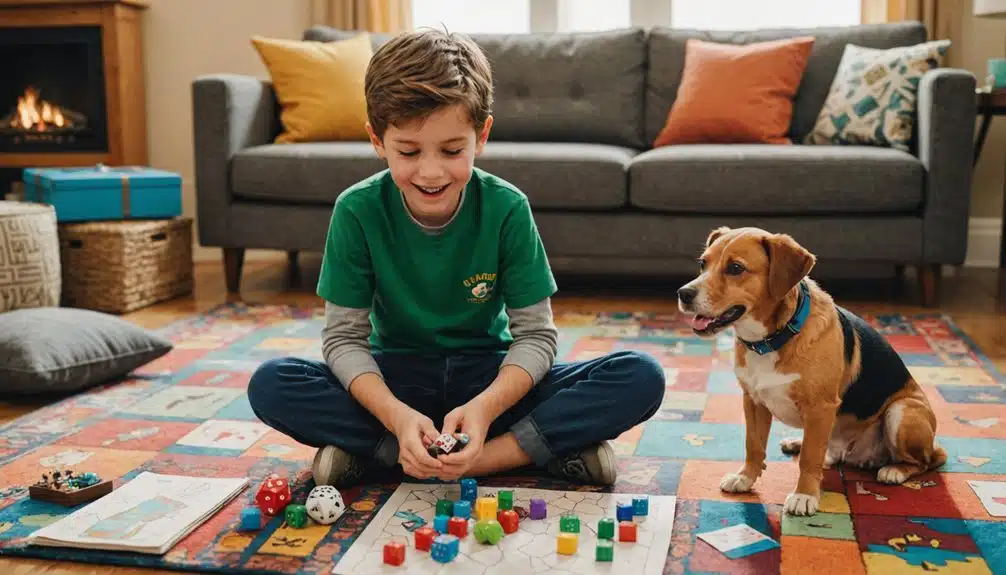
In today’s fast-paced world, social FCM99 intelligence is a crucial skill—whether it’s in the workplace, in personal relationships, or in everyday interactions. Understanding others, interpreting social cues, and effectively navigating complex social dynamics are all part of what makes someone socially intelligent. But did you know that games, both digital and traditional, can help build and enhance these abilities? Whether you’re playing a team-based board game, a social deduction game, or even engaging in a multiplayer online game, play can teach us how to better communicate, empathize, and collaborate with others.
In this article, we will explore how different types of games help develop various aspects of social intelligence, from empathy to conflict resolution to teamwork. We will examine how games create environments that encourage people to step out of their comfort zones and enhance the interpersonal skills that are so vital in modern society.
- Understanding Social Intelligence: A Quick Overview
Before diving into how games build social intelligence, let’s first define what it is. Social intelligence refers to the ability to navigate social environments effectively, understand and interpret social cues, and interact harmoniously with others. It includes skills such as:
Empathy: The ability to understand and share the feelings of others.
Communication: The ability to express thoughts and ideas clearly and effectively.
Collaboration: The ability to work with others toward a common goal.
Conflict Resolution: The ability to handle disagreements and conflicts constructively.
Games—whether competitive or cooperative—create opportunities for players to practice these skills in real-time, often without the high stakes of real-world consequences.
- Team-Based Games: Cultivating Cooperation and Collaboration
Examples: Catan, Pandemic, Overcooked
In team-based board games like Catan or Pandemic, players must collaborate to reach a common objective. Whether trading resources in Catan or working together to stop a global outbreak in Pandemic, these games require effective communication and shared decision-making.
Building Empathy: Team-based games encourage players to consider the needs, strengths, and limitations of their teammates. In Pandemic, for example, players must understand each other’s roles and work together to formulate strategies that play to each person’s strengths. This often leads to the development of empathy, as players learn to see things from their teammates’ perspectives and understand how different personalities and skill sets contribute to the group’s success.
Improving Collaboration: Collaboration is at the heart of these games. Players quickly learn that success is not solely dependent on their own actions but on how well they can collaborate with others. The ability to share ideas, delegate tasks, and coordinate efforts is key in team-based games. By practicing these skills in a low-pressure environment, players improve their real-life ability to work effectively in team settings.
- Social Deduction Games: Mastering Communication and Trust
Examples: Werewolf, Among Us, The Resistance
Social deduction games are designed around deception, manipulation, and the need for clear communication. In games like Werewolf or Among Us, players must determine who is lying or withholding information while also convincing others that they are trustworthy. The game hinges on the ability to read social cues, engage in persuasive communication, and sometimes even hide one’s true intentions.
Developing Social Awareness: In social deduction games, players quickly learn to observe the non-verbal cues of others—body language, tone of voice, and subtle shifts in behavior. By interpreting these cues, players get better at understanding when others are being honest or deceptive. This heightens social awareness and helps build the ability to read people in real-world situations.
Building Trust and Negotiation Skills: Social deduction games also teach players how to negotiate and persuade others. In Werewolf, for example, players must convince others to vote for the right person (or mislead them, depending on which side they’re on). This requires a deep understanding of human behavior and the ability to manage complex social dynamics, where one wrong move can lead to failure. These games help players learn how to influence decisions and gain trust, key aspects of effective leadership and interpersonal relationships.
- Competitive Games: Strengthening Conflict Resolution and Emotional Control
Examples: Monopoly, Poker, FIFA
While cooperative games emphasize teamwork, competitive games often focus on individual success and rivalry. Whether you’re competing in Monopoly, trying to win a hand of poker, or competing in sports-based video games like FIFA, these games teach players how to handle competition, deal with losses, and manage emotions.
Managing Emotions: Competitive games can sometimes lead to frustration or disappointment, especially when things don’t go as planned. However, they offer an opportunity to practice emotional regulation—learning how to manage your emotions, stay calm under pressure, and maintain composure even in challenging situations. These games teach us to handle losses gracefully and to channel our frustration into constructive behavior rather than letting it negatively affect our interactions with others.
Conflict Resolution: In competitive games, conflicts can arise, whether it’s a disagreement over rules or frustration with another player’s tactics. How a person handles these moments speaks volumes about their ability to manage social conflict. Games encourage players to find ways to address disagreements constructively and come to solutions that benefit everyone. This is a critical skill in both personal and professional environments.
- Role-Playing Games: Enhancing Empathy and Perspective-Taking
Examples: Dungeons & Dragons, LARP (Live-Action Role Play)
Role-playing games (RPGs) like Dungeons & Dragons offer a unique avenue for players to step into the shoes of another character, often in a fantasy setting. In these games, players must interact with others in-character, making decisions based on the persona they’ve created rather than themselves.
Enhancing Empathy: By playing characters with different backstories, goals, and moral compasses, players get the chance to experience the world from someone else’s perspective. This practice of perspective-taking helps foster a deep sense of empathy, as players learn to understand complex motivations and how to approach problems from diverse viewpoints.
Improving Communication: Role-playing games also encourage players to communicate more effectively by requiring them to engage in storytelling and collaborative decision-making. Whether negotiating with an NPC (non-playable character) or planning the next move with other players, RPGs often encourage creative communication, helping players improve their ability to express themselves in both group and one-on-one settings.
- Online Multiplayer Games: Building Global Connections
Examples: League of Legends, Fortnite, World of Warcraft
Online multiplayer games provide a unique opportunity to interact with players from around the world. These games require players to cooperate or compete with people they’ve never met before, often with cultural differences and varied playstyles. The ability to communicate and collaborate effectively in these settings is a critical aspect of social intelligence.
Cultural Sensitivity and Global Communication: Online games expose players to a wide range of communication styles, cultural norms, and problem-solving approaches. Whether coordinating strategies in League of Legends or collaborating on a quest in World of Warcraft, players develop an understanding of how to navigate diverse social dynamics. This is especially important in today’s increasingly interconnected world, where the ability to engage respectfully and effectively with people from different backgrounds is highly valued.
Conflict Resolution in Digital Spaces: Online games also provide an opportunity to deal with conflict in a virtual environment. Players must learn to handle frustrations, resolve disputes, and sometimes deal with toxic behavior in a way that maintains a positive and productive experience for everyone involved.
Conclusion: Games as a Tool for Building Social Intelligence
Whether you’re engaging in a competitive match, collaborating in a team-based setting, or playing a social deduction game, games offer a unique opportunity to develop and hone your social intelligence. From improving empathy and communication to teaching conflict resolution and collaboration, the lessons learned through play are transferable to everyday life.
By embracing the social aspects of games, you can sharpen your ability to read people, improve your emotional control, and strengthen your ability to work effectively with others. Whether you’re at work, in a social setting, or navigating complex relationships, the social skills fostered through games can enhance your personal and professional life, making you more adaptable, insightful, and engaging in all of your interactions.
 Site Title
Leave a comment